7 Reasons Exterior Painting Is More Than a Cosmetic Upgrade
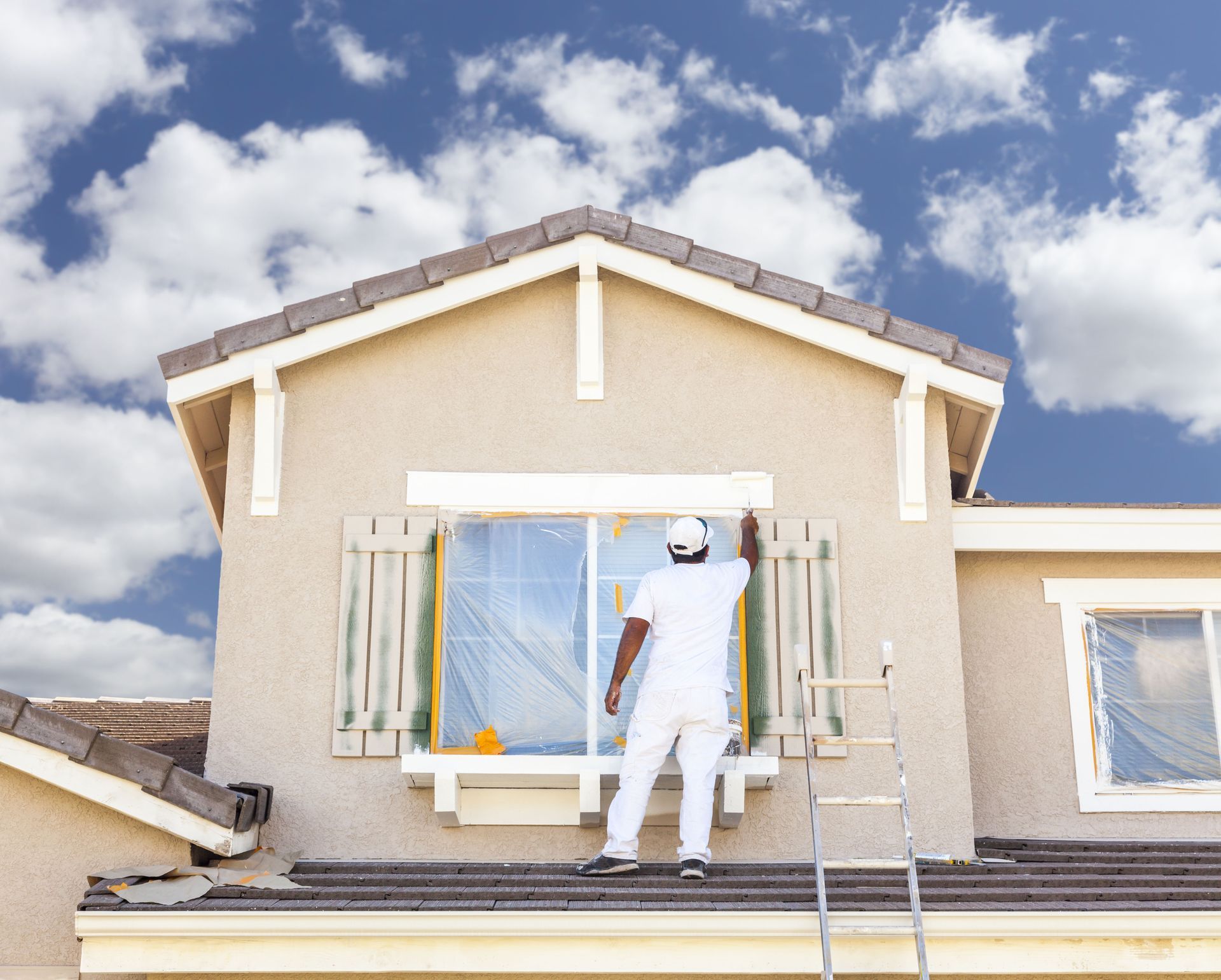
A fresh coat of exterior paint can dramatically change how a home looks, but its value extends far beyond appearance. Paint forms a protective layer over siding, trim, doors, and other exposed surfaces, helping them withstand moisture, sunlight, temperature changes, dirt, and everyday wear. When the finish begins to crack, peel, or fade, the materials underneath may become more vulnerable to damage. A professional crew can assess the condition of these surfaces, prepare them correctly, and apply coatings suited to the home and local climate. By treating exterior painting as preventive maintenance rather than a simple design project, homeowners can protect their investment, improve performance, and reduce the likelihood of more expensive repairs.
1. Protecting Surfaces From Moisture Damage
Moisture is one of the most serious threats to exterior building materials. Rain, snow, humidity, and condensation can enter through small cracks, exposed seams, or areas where paint has worn away. Once moisture reaches wood or other porous surfaces, it may contribute to swelling, warping, staining, mildew, and rot. A properly applied exterior coating helps seal vulnerable areas and slows the movement of water into the material beneath it.
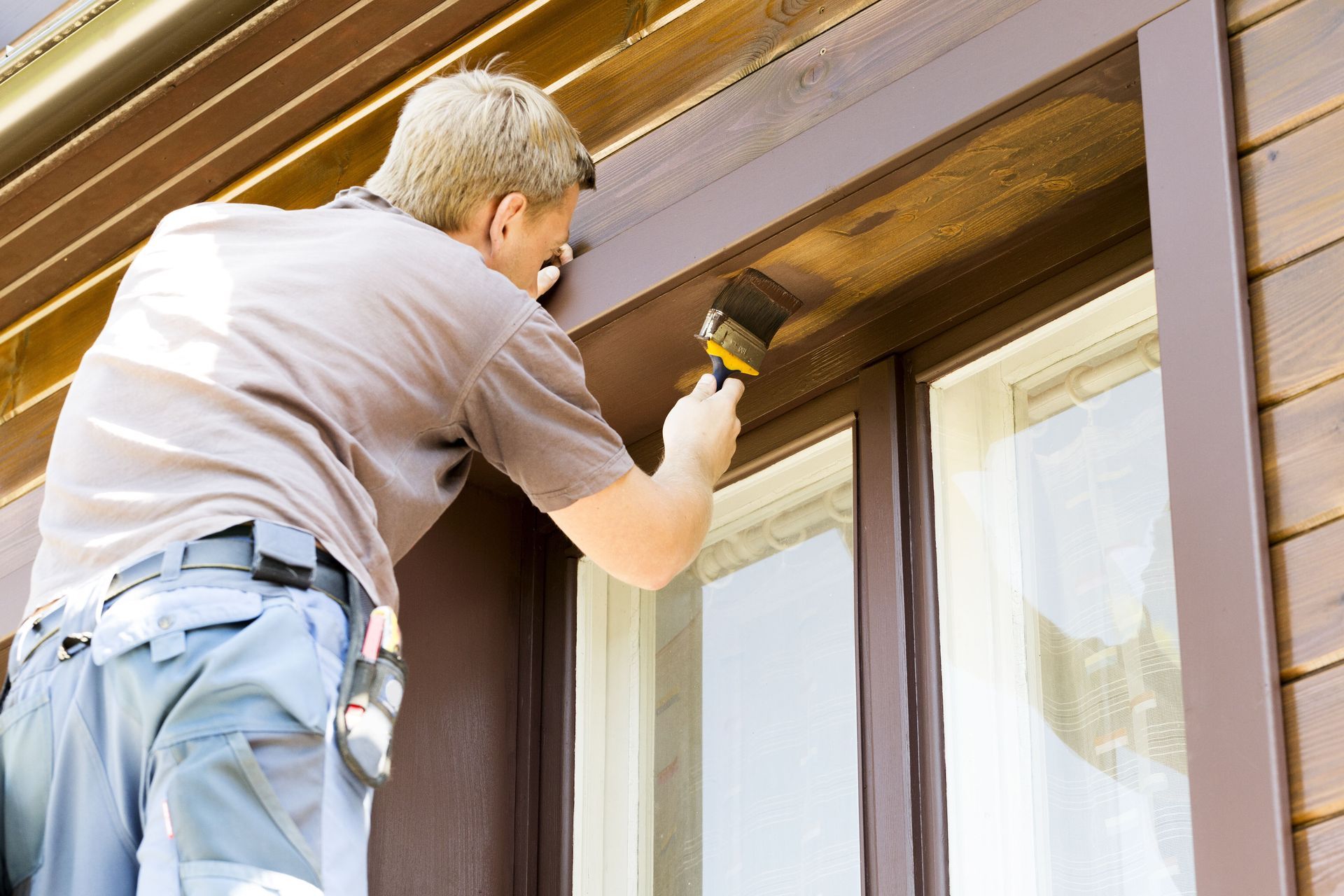
Preparation is essential because applying new paint over damaged or damp surfaces can trap problems instead of solving them. Experienced painting companies inspect siding, trim, fascia, and other components for peeling paint, soft wood, gaps, and signs of water intrusion before work begins. Cleaning, scraping, sanding, caulking, and priming create a stable base for the finish coat. This process improves adhesion and helps the completed surface provide more consistent protection during wet weather. It also reduces the chance that concealed moisture will cause bubbling or peeling soon after the project is finished. Careful attention to joints, corners, and horizontal ledges is particularly important because these locations often collect water and deteriorate faster than broad, vertical surfaces.
2. Reducing Damage From Sun Exposure
Sunlight can gradually weaken and discolor exterior finishes. Ultraviolet rays break down paint binders, causing colors to fade and surfaces to become chalky, brittle, or uneven. Dark colors may absorb additional heat, while sections with direct exposure can age faster than shaded areas. Over time, this deterioration can leave siding and trim with less protection against wind, rain, and temperature changes.
Quality exterior coatings are formulated to resist fading and maintain their flexibility under changing conditions. According to This Old House, most high-quality exterior paints are made with 100 percent acrylic latex, which provides excellent flexibility, strong adhesion, and weather resistance. Professional painting companies can recommend products designed for the home's surface materials, orientation, and climate. Selecting the right coating helps preserve color while creating a durable barrier against sunlight and seasonal exposure. Proper film thickness and even coverage also matter because thin or missed areas may weather sooner than the rest of the home. Applying the recommended number of coats gives the finish a better opportunity to perform consistently across exposed walls and architectural details.
3. Preventing Premature Material Deterioration
Exterior materials naturally age, but a failing finish can accelerate the process. Bare wood may splinter or rot, metal components may corrode, and certain siding products may become brittle or stained. Paint helps separate these materials from environmental conditions that contribute to deterioration. Keeping the coating intact can extend the useful life of trim, doors, shutters, siding, and other exterior features.
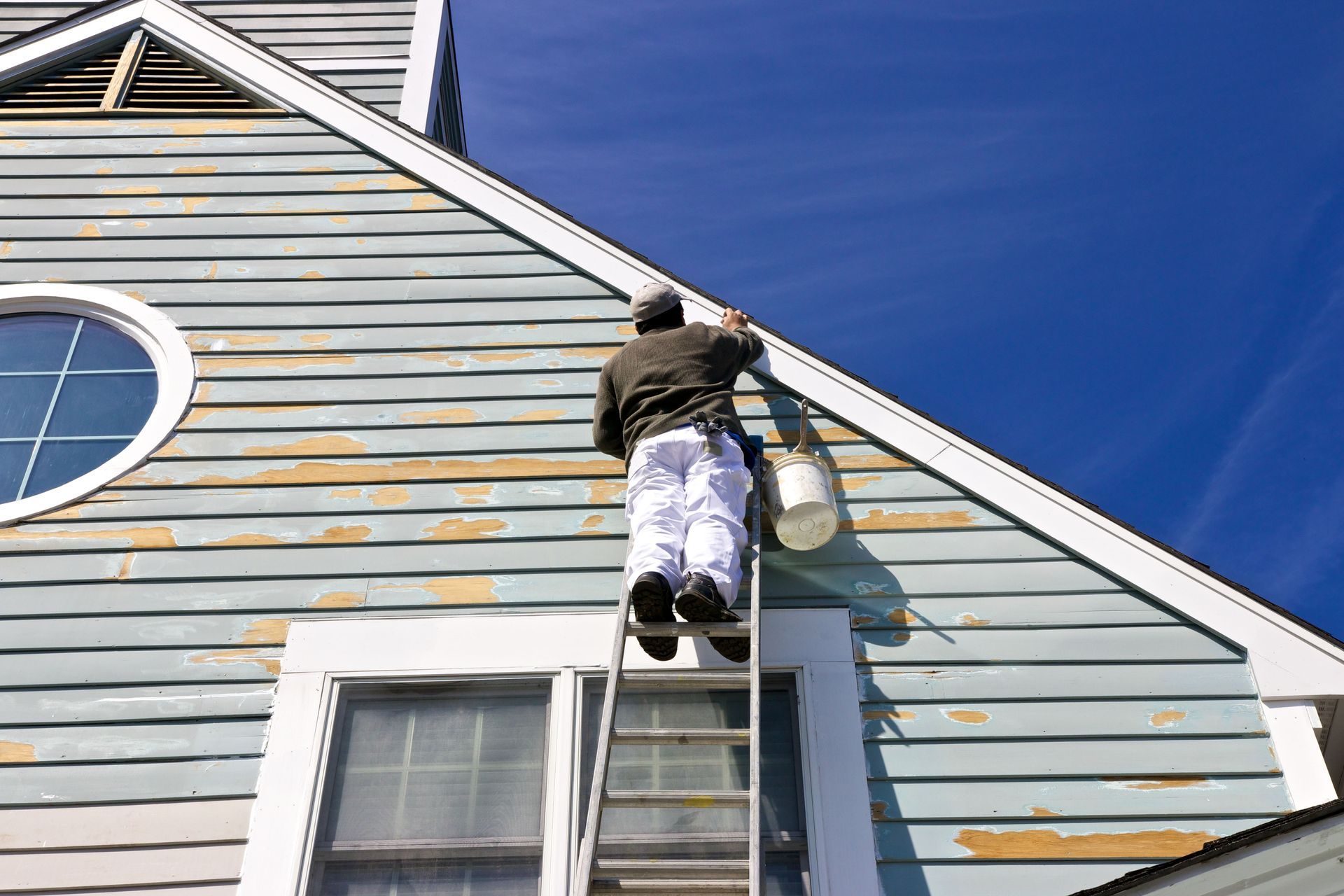
Regular inspection allows homeowners to address small areas before widespread damage develops. Blistering, cracking, flaking, and exposed edges can signal that the existing finish is no longer performing effectively. Painting companies can identify which areas need repair, spot preparation, or complete recoating. Addressing these concerns early may be far less disruptive and expensive than replacing damaged materials after moisture, sunlight, or insects have had time to cause more serious problems.
4. Improving Energy Performance and Comfort
Exterior painting is not a substitute for insulation, but it can support the overall performance of the building envelope. Cracks around trim, siding joints, windows, and doors may allow air and moisture to move through the exterior. During preparation, these gaps are often cleaned and sealed before primer and paint are applied. Closing minor openings can help reduce drafts and limit the entry of outside air.
Color selection may also influence how much heat an exterior surface absorbs. Lighter shades generally reflect more sunlight, while darker tones tend to retain more heat. The effect varies based on the home's construction, insulation, location, and exposure, but thoughtful choices can complement other efficiency improvements. Knowledgeable painting companies can discuss how color, sheen, surface material, and product selection may affect maintenance needs and exterior temperature performance.
5. Revealing Hidden Maintenance Problems
A professional painting project often uncovers problems that are easy to miss during everyday home maintenance. Loose boards, cracked caulk, rusted fasteners, damaged trim, insect activity, and early wood decay may become visible once surfaces are washed and scraped. Finding these concerns before they spread gives homeowners an opportunity to arrange repairs while the affected area is still accessible.
This inspection process is one reason proper preparation matters as much as the final color. Reputable painting companies do not simply cover defects with a new coat. They evaluate whether the surface is sound enough to hold paint and explain when repairs should be completed first. Identifying maintenance issues during the project can prevent premature paint failure and help homeowners better understand the condition of their exterior materials.
6. Strengthening Property Value and Marketability
Curb appeal is important, but the value of exterior painting is not limited to creating a more attractive color scheme. A clean, intact finish can show prospective buyers that the property has received regular maintenance. Peeling paint, exposed wood, mildew stains, and faded surfaces may suggest neglected repairs or future expenses. A well-maintained exterior can create a stronger first impression and make the home feel more cared for.
Painting can also create a consistent appearance when additions, replacement boards, patched areas, or weathered sections no longer match. Skilled painting companies can coordinate colors across siding, trim, doors, shutters, and architectural details to produce a cohesive result. While no single improvement guarantees a specific return, a protected and visually maintained exterior may support marketability by reducing obvious concerns that could distract potential buyers.
7. Lowering Long-Term Repair and Maintenance Costs
Delaying exterior maintenance can allow minor surface problems to become structural or material problems. A small area of peeling paint may eventually expose wood to repeated moisture, leading to rot that requires carpentry and replacement. Failed caulk around a window may permit water intrusion that affects trim, framing, or interior finishes. Timely painting helps address these vulnerable areas before the scope and cost of repairs increase.
A planned maintenance schedule is often easier to manage than emergency restoration. Homeowners can inspect painted surfaces annually and watch for fading, cracking, mildew, or loss of adhesion. Professional painting companies can recommend appropriate repainting intervals based on the coating, surface type, weather exposure, and quality of the previous preparation. Consistent upkeep protects the work already completed and may help homeowners avoid paying for extensive material replacement caused by long-term neglect.
Exterior painting is more than a way to refresh a home's appearance. It can help defend surfaces against moisture and sunlight, slow material deterioration, support the building envelope, reveal hidden maintenance concerns, strengthen marketability, and reduce future repair costs. The quality of the result depends on careful inspection, thorough preparation, suitable products, and correct application. Working with experienced painting companies gives homeowners access to the knowledge and techniques needed to create a finish that performs as well as it looks. To protect and improve your home's exterior, contact Tom Jellison Painting.
Share On: